
Body Composition and Male Vitality: Why Waist Size Matters More Than You Think
Updated 16 August 2026Review DeskAbout 7 min
Key points
- Adipose tissue contains aromatase, which converts testosterone to oestradiol — more fat mass generally means more conversion.
- Waist circumference is a more useful marker than total body weight.
- Muscle is metabolically active tissue, not just aesthetic.
- Modest, sustained fat loss produces measurable changes in hormone markers in the research.
The feedback loop
Of everything a man over 35 can influence about his hormonal picture, body composition is the most consequential and the least discussed on supplement pages. There's a commercial reason for that: it can't be sold in a bottle.
The mechanism runs in a loop, which is what makes it stubborn. Higher body fat is associated with lower testosterone. Lower testosterone makes maintaining lean mass harder. Less lean mass makes fat gain easier. Round it goes.
The encouraging part is that loops run both directions. Interrupt it anywhere and the same self-reinforcing property starts working for you.
What aromatase does
Adipose tissue isn't inert storage. It's metabolically active, and among other things it contains an enzyme called aromatase.
Aromatase converts testosterone into oestradiol. This conversion is normal and necessary — men need some oestradiol for bone health and other functions. But the amount of conversion is influenced by how much adipose tissue you're carrying.
More fat mass generally means more aromatase activity, which means a greater proportion of testosterone converted. That's the primary route through which body composition affects the hormonal picture, and it's why the relationship shows up so consistently in the research.
Why waist beats weight
The scale is a poor instrument here, because it doesn't distinguish between muscle and fat, or between fat stored in different places.
Visceral fat — stored around the abdominal organs rather than under the skin — is the metabolically problematic kind. It's more strongly associated with inflammation, insulin resistance and adverse hormone profiles than subcutaneous fat.
Waist circumference is a crude but genuinely useful proxy. Measure at the navel, standing relaxed, at the end of a normal exhale. Track it monthly rather than daily.
A man who loses no weight but converts some fat to muscle will see his waist drop while the scale stays put. That's progress the scale actively hides, and it's why weight alone drives so many people to abandon programmes that were working.
Muscle as an organ
Muscle isn't just aesthetic. It's metabolically active tissue that influences glucose disposal, insulin sensitivity and resting energy expenditure.
It also declines with age unless actively maintained — a process called sarcopenia that accelerates after the fourth decade. Losing it gradually is among the more consequential changes of middle age, and it's largely preventable.
Resistance training is the only intervention that reliably slows it. Two sessions a week of thirty to forty minutes, covering the major movement patterns, is enough to make a genuine difference. You don't need a complicated programme, and complexity is usually a form of procrastination.
One caution for men returning after time away: cardiovascular fitness adapts within days while tendons and connective tissue adapt over months. Start well below what feels achievable for the first two months.
What realistic change looks like
The research on body composition and hormones doesn't require dramatic transformation. Modest, sustained fat loss has been associated with measurable improvements in hormone markers.
Practically: losing 5–10% of body weight, sustained, is a meaningful intervention. That's achievable through changes most men can maintain — a moderate calorie reduction, more protein, more walking, two resistance sessions.
What doesn't work is aggressive restriction. Very low calorie intake can itself suppress testosterone, and it reliably produces the abandon-and-rebound cycle. Slower is genuinely better here, not just kinder.
The protein distribution point
One specific change with reasonable evidence behind it and almost no cost.
Protein requirements are generally higher for older adults than basic minimums suggest, and most men eating a typical Western diet get very little at breakfast and a large amount at dinner.
Spreading intake more evenly — a real protein source at each meal rather than concentrated at one — appears to support muscle protein synthesis better than the same total consumed unevenly.
You don't need to weigh food or track macros. Including something substantial at breakfast covers most of the gap for most men.
Where a supplement fits
Well downstream of everything above.
If you're carrying significant excess visceral fat, no daily supplement will meaningfully change your hormonal picture. The variable it operates on is small compared with the one you're not addressing. Any product implying otherwise is selling rather than informing — a pattern our buyer's guide covers in detail.
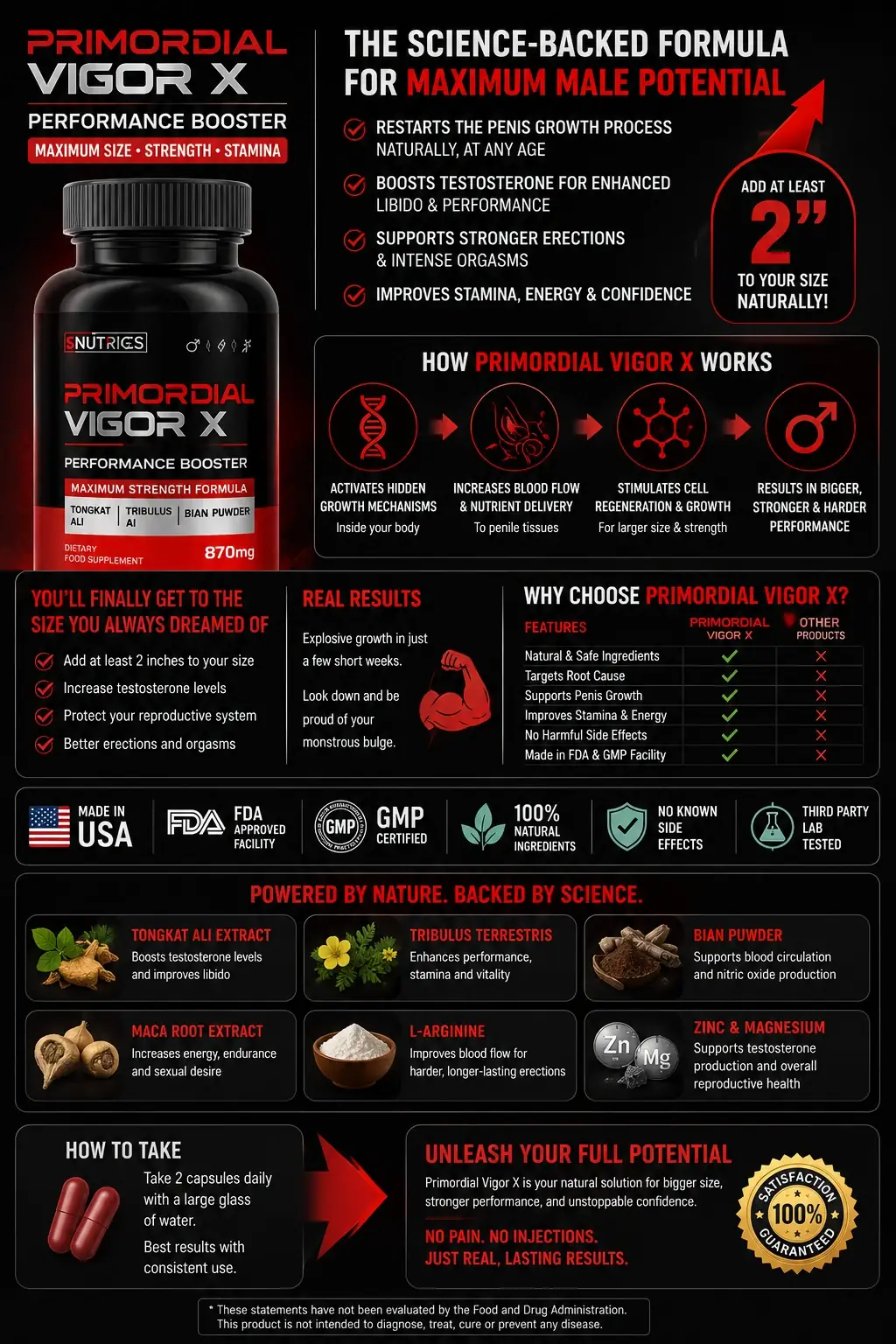
Once body composition and sleep are in reasonable shape, a simple daily supplement is a defensible marginal addition. That's the framing behind our Primordial Vigor X assessment, which weighs the product on its verifiable terms rather than on claims about what it might do.
And if you want to know where you actually stand rather than guessing, our guide to blood tests worth requesting covers the numbers worth having.

Our verdict on Primordial Vigor X
Good refund terms, opaque formula, overstated marketing elsewhere. We weigh all three on the main assessment page.
Individual results may vary. This is a dietary supplement, not a medication.
Check Current Price →Common questions
How does body fat affect testosterone?
Adipose tissue contains aromatase, an enzyme that converts testosterone to oestradiol. Higher fat mass generally means more of this conversion, which is the primary route by which body composition affects hormone levels.
Is waist circumference better than weight?
For this purpose, yes. Waist circumference is a useful proxy for visceral fat, which is the metabolically problematic kind. Total weight doesn't distinguish between muscle and fat.
How much fat loss makes a difference?
Research suggests modest, sustained reductions — in the region of 5 to 10% of body weight — are associated with measurable improvements in hormone markers. Dramatic loss isn't required.
Does aggressive dieting help?
Generally no. Very low calorie intake can itself suppress testosterone and reliably produces abandonment and rebound. Slower, sustainable reduction works better.
Primordial Vigor X Review Desk Written and maintained by our editorial team. We do not employ or cite medical professionals, and this is general information rather than medical advice. We may earn a commission from qualifying purchases, which does not influence what we publish — see our editorial policy.
Medical note
This article is general information, not medical advice, and does not substitute guidance from a certified health professional. If you have persistent symptoms, see a doctor rather than relying on a website or a supplement.
Any dietary supplement discussed is for adult men 18 and over, is not intended for women or anyone pregnant or breastfeeding, and is not intended to diagnose, treat, cure or prevent any disease.
These statements have not been evaluated by the Food and Drug Administration. Individual results may vary.
Back to the Primordial Vigor X verdict, or see what the label doesn't disclose and our eight-point buyer's guide.