
Stress, Cortisol and Men's Health: What's Real and What's Oversold
Updated 16 August 2026Review DeskAbout 7 min
Key points
- Cortisol is essential, not a villain — the problem is chronic elevation, not its existence.
- Sustained stress suppresses the axis governing testosterone production.
- 'Adrenal fatigue' is not a recognised medical diagnosis, despite heavy supplement marketing use.
- Sleep, physical activity and genuine downtime have better evidence than any stress supplement.
What cortisol actually is
Cortisol has been thoroughly villainised by supplement marketing, which is unfortunate because it's essential and you'd die without it.
It's a glucocorticoid hormone produced by the adrenal glands. It regulates blood glucose, modulates immune function, influences blood pressure, and follows a daily rhythm — peaking shortly after waking and declining through the day. That morning peak is part of what gets you out of bed.
The issue isn't cortisol's existence. It's chronic elevation and disrupted rhythm, which are different problems from "too much cortisol" in the way marketing usually frames it.
Acute vs chronic stress
The distinction matters more than most stress content acknowledges.
Acute stress — a deadline, a hard training session, a difficult conversation — produces a cortisol response that resolves. This is the system working as designed, and it's not harmful. Exercise is a stressor in exactly this sense, and it's beneficial.
Chronic stress is sustained activation without resolution: a difficult year at work, financial pressure, caring responsibilities, poor sleep compounding everything. The system doesn't get to stand down.
That sustained state is where the downstream effects appear — on sleep quality, appetite regulation, blood pressure, and the hormonal picture.
How it affects male hormones
The mechanism is reasonably well characterised. Testosterone production is governed by the hypothalamic-pituitary-gonadal axis — a signalling chain from brain to testes.
Sustained stress activates a parallel system, the hypothalamic-pituitary-adrenal axis, and these two interact. Chronic HPA activation suppresses signalling in the reproductive axis at multiple points.
There's also an indirect route that probably matters more in practice: chronic stress degrades sleep, and sleep restriction has direct, measurable effects on testosterone. Stress and sleep are so entangled that separating their contributions is difficult.
The "adrenal fatigue" problem
Worth addressing directly, because you'll encounter the term constantly in this category.
"Adrenal fatigue" is not a recognised medical diagnosis. The concept — that chronic stress exhausts the adrenal glands until they can't produce adequate cortisol — is not supported by the evidence, and systematic reviews examining it have not found support for the underlying claim.
Actual adrenal insufficiency exists. It's called Addison's disease, it's serious, it's diagnosable through specific testing, and it's rare. It is not what supplement pages mean by adrenal fatigue.
Why does the term persist? Because it's commercially useful. It gives a name to a real cluster of symptoms — fatigue, poor concentration, low mood — and attaches it to a cause that can be sold to. The symptoms are genuine; the explanation isn't.
If someone diagnoses you with adrenal fatigue and sells you the treatment, that's a reason for scepticism about everything else they say. Our buyer's guide covers this pattern more generally.
Signs worth taking seriously
Chronic stress presents in ways men often normalise: sleep that's hard to initiate or fragmented at 3am, waking already tense, appetite shifting markedly, irritability disproportionate to the trigger, loss of interest in things you normally enjoy, and using alcohol to wind down.
That last one deserves attention, because it's the most common self-medication and it makes the underlying problem worse by degrading sleep.
If several of these persist for weeks, that's worth raising with a doctor. Persistent low mood and loss of interest in particular overlap with depression, which is treatable and frequently mistaken for a hormonal issue.
What genuinely helps
Unglamorous, and better evidenced than anything in a bottle.
Regular physical activity. Among the best-supported interventions for stress and mood. It's an acute stressor that improves chronic stress resilience — the paradox is real.
Protecting sleep. The bidirectional relationship means improving either side helps the other.
Genuine downtime that isn't screen-based. Scrolling isn't rest; it's a different form of input.
Time outdoors. Modest but real effects on stress markers.
Social contact. Consistently associated with better outcomes, and consistently the first thing to go when men are under pressure.
Reducing alcohol as a coping tool. The short-term relief costs more than it delivers.
The supplement angle
Stress is heavily marketed to, partly because the symptoms are vague enough that almost anyone recognises themselves.
Be sceptical of anything claiming to "balance cortisol," "heal your adrenals," or reverse a condition that isn't a recognised diagnosis. Those claims signal a page written to sell rather than inform.
What a daily supplement can reasonably be is a small consistent component of a routine that already includes movement, sleep and some genuine recovery. That's the standard we apply in our product assessment, which evaluates on verifiable terms rather than on mechanism claims.
And if stress has been sustained and is affecting your functioning, talk to a doctor. That's a more useful step than any purchase, and our guide to tests worth asking for covers what else to rule out.

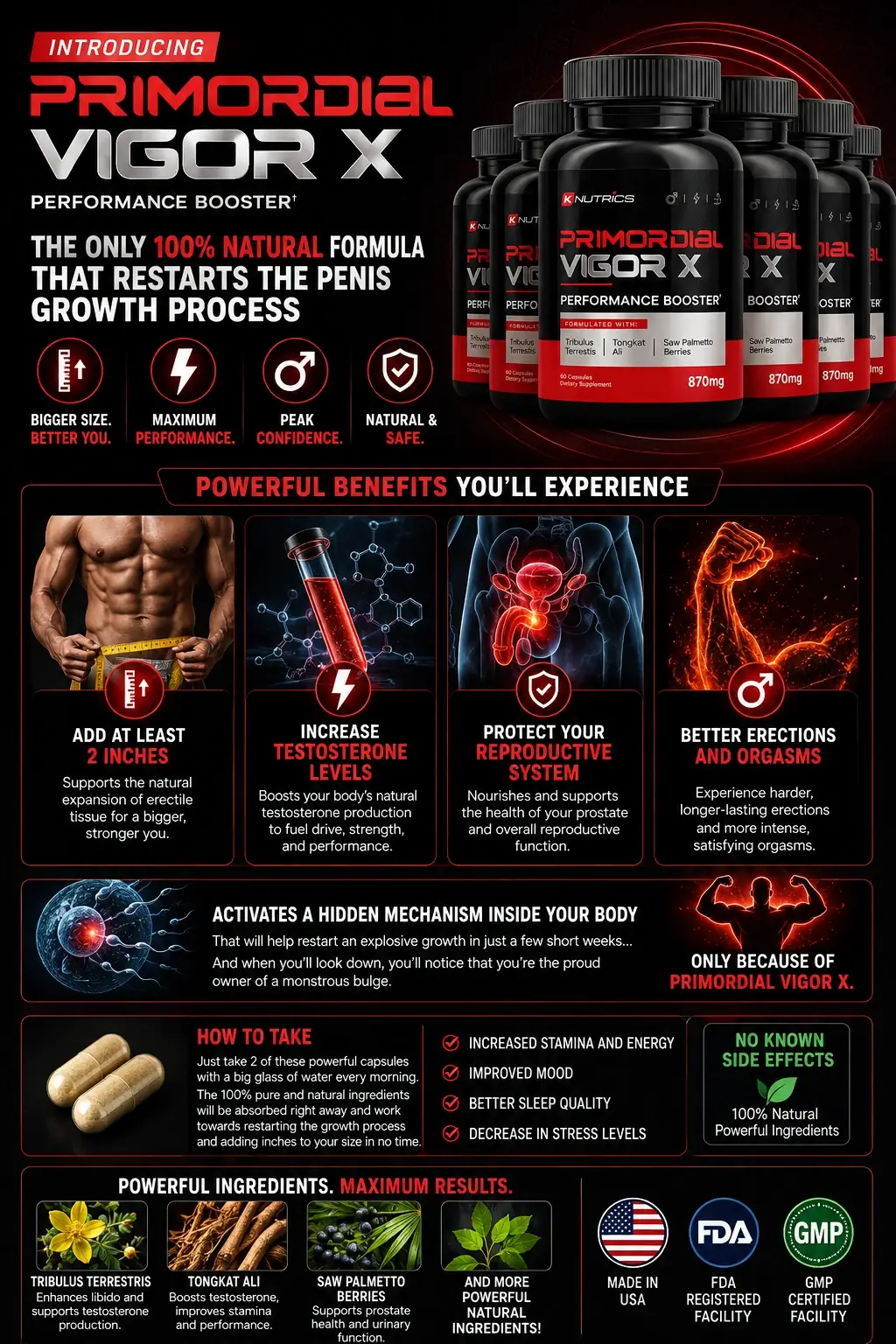
Our verdict on Primordial Vigor X
Good refund terms, opaque formula, overstated marketing elsewhere. We weigh all three on the main assessment page.
Individual results may vary. This is a dietary supplement, not a medication.
Check Current Price →Common questions
Is cortisol bad for you?
No. Cortisol is essential for regulating blood glucose, immune function and blood pressure, and it follows a normal daily rhythm. The concern is chronic elevation and disrupted rhythm, not its existence.
Is adrenal fatigue a real condition?
It is not a recognised medical diagnosis, and systematic reviews have not found support for the underlying claim. Actual adrenal insufficiency — Addison's disease — is a separate, rare and diagnosable condition.
How does stress affect testosterone?
Chronic activation of the stress axis suppresses signalling in the axis governing testosterone production. Stress also degrades sleep, which has its own direct effect on hormone levels.
What helps most with chronic stress?
Regular physical activity, protecting sleep, genuine non-screen downtime, time outdoors and social contact have better evidence than any supplement marketed for stress.
Primordial Vigor X Review Desk Written and maintained by our editorial team. We do not employ or cite medical professionals, and this is general information rather than medical advice. We may earn a commission from qualifying purchases, which does not influence what we publish — see our editorial policy.
Medical note
This article is general information, not medical advice, and does not substitute guidance from a certified health professional. If you have persistent symptoms, see a doctor rather than relying on a website or a supplement.
Any dietary supplement discussed is for adult men 18 and over, is not intended for women or anyone pregnant or breastfeeding, and is not intended to diagnose, treat, cure or prevent any disease.
These statements have not been evaluated by the Food and Drug Administration. Individual results may vary.
Back to the Primordial Vigor X verdict, or see what the label doesn't disclose and our eight-point buyer's guide.